Our design process

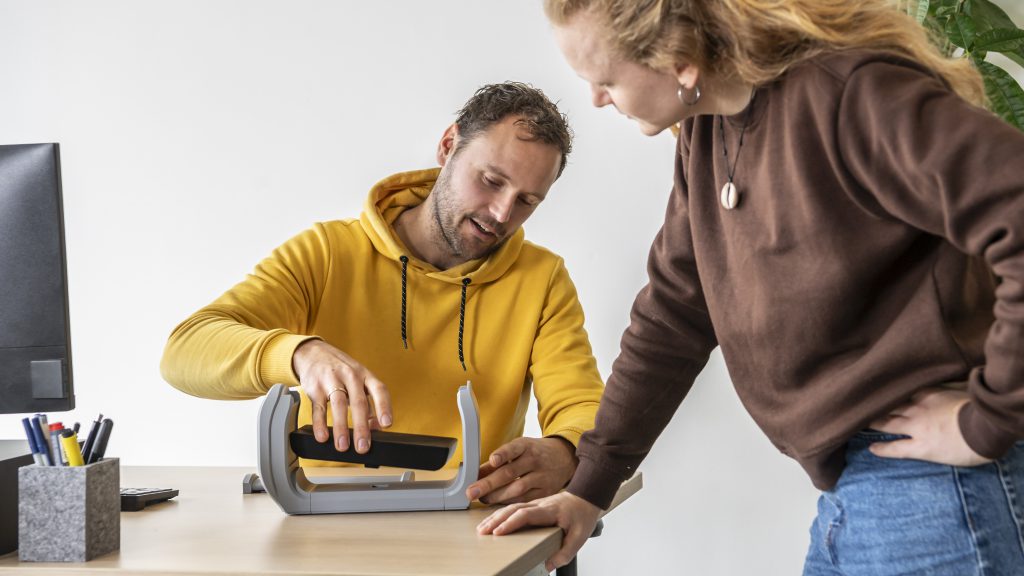
The above visual shows our full design process. We always adapt the content of the different phases to what a project needs – after all, the emphasis is not always in the same place. We'd be happy to tell you more about each phase of this process:
Analysis
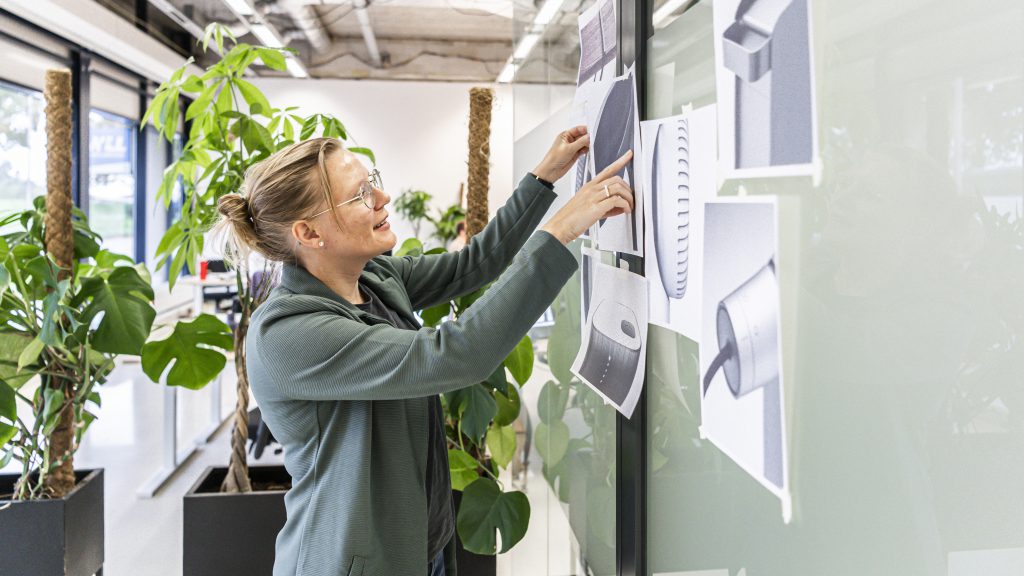
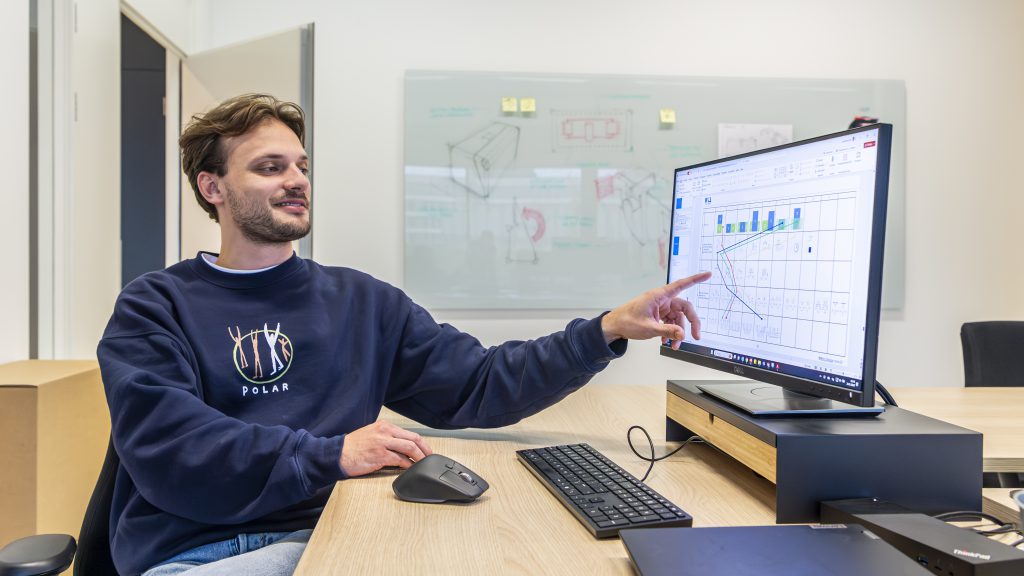
By conducting research, we gain early insight into the requirements and wishes the product or innovation needs to meet. We make sure we have the design challenge in focus and we identify the opportunities that lie ahead.
— Interviews with stakeholders
— Analysis of relevant trends
— Analysis competitor products
— Customer journey mapping
— Market research
Mapping technologies
— Establishing requirements and wishes
Analysis
By conducting research, we gain early insight into the requirements and wishes the product or innovation needs to meet. We make sure we have the design challenge in focus and we identify the opportunities that lie ahead.
— Interviews with stakeholders
— Analysis of relevant trends
— Analysis competitor products
— Mapping customer journey
— Market research
— Mapping technologies and materials
— Identifying constraints and opportunities
— Establishing requirements and wishes
Ideation
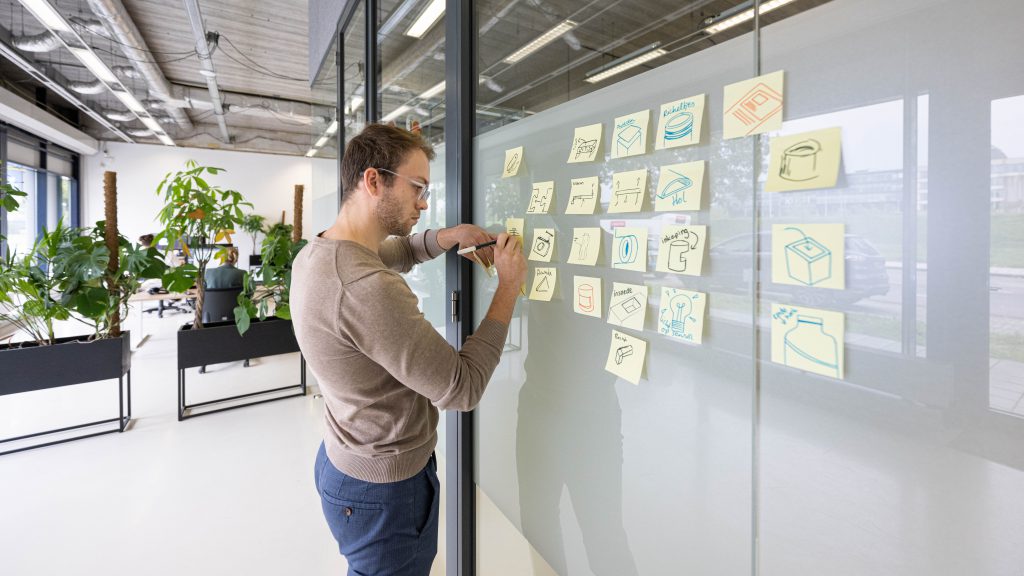
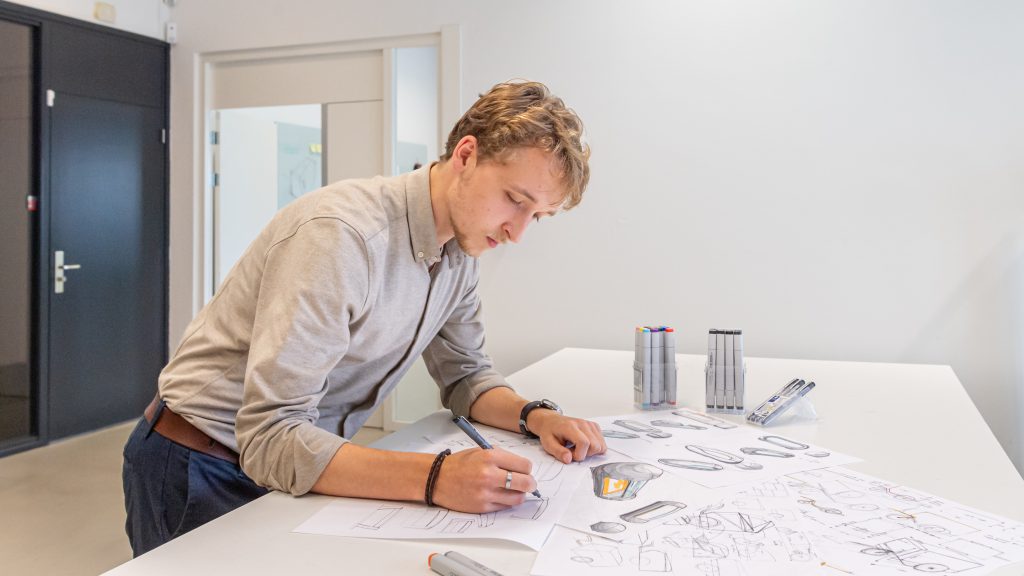
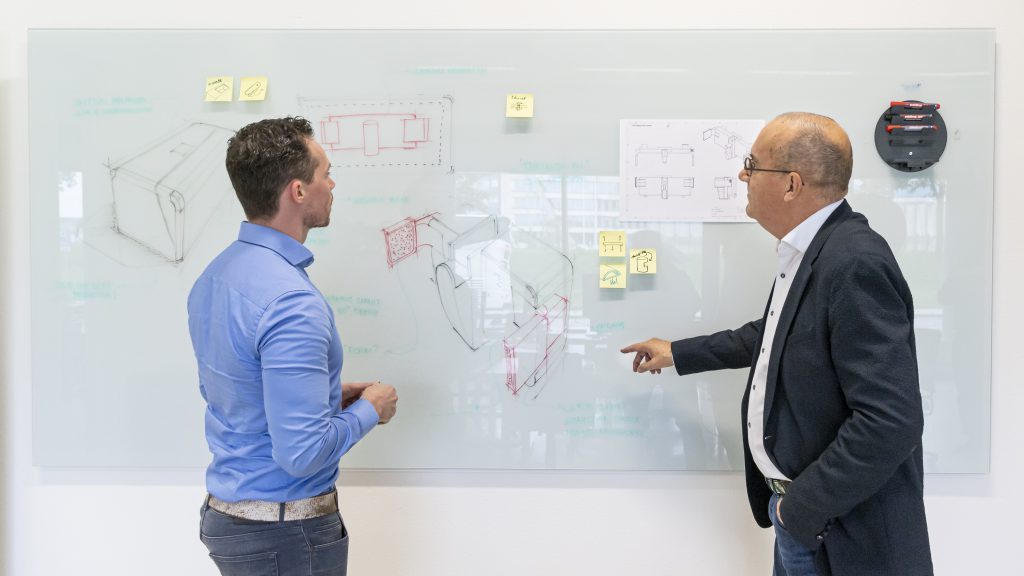
We brainstorm and arrive at possible solutions to the design issue. Through the systematic generation of ideas, often through co-creation, and critical selection, we arrive at concepts that meet all requirements.
— Systematic brainstorming
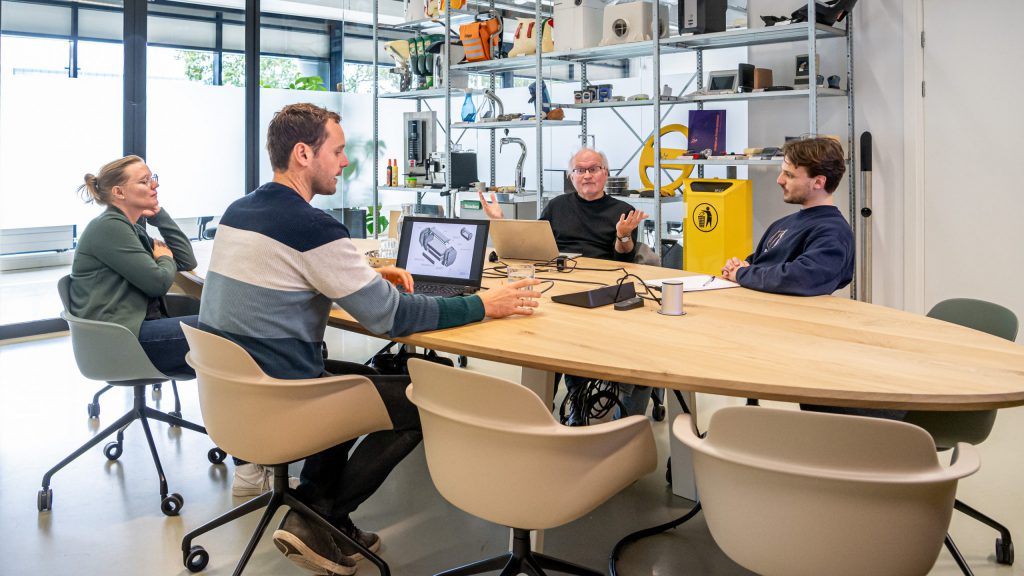
— Co-creation sessions or workshops
— Evaluating ideas based on requirements
Visualising conceptual directions
— Rough estimate of production costs
— Presenting ideas to the stakeholders
— Presenting ideas to the client
— Update requirements based on findings
Proof of concept
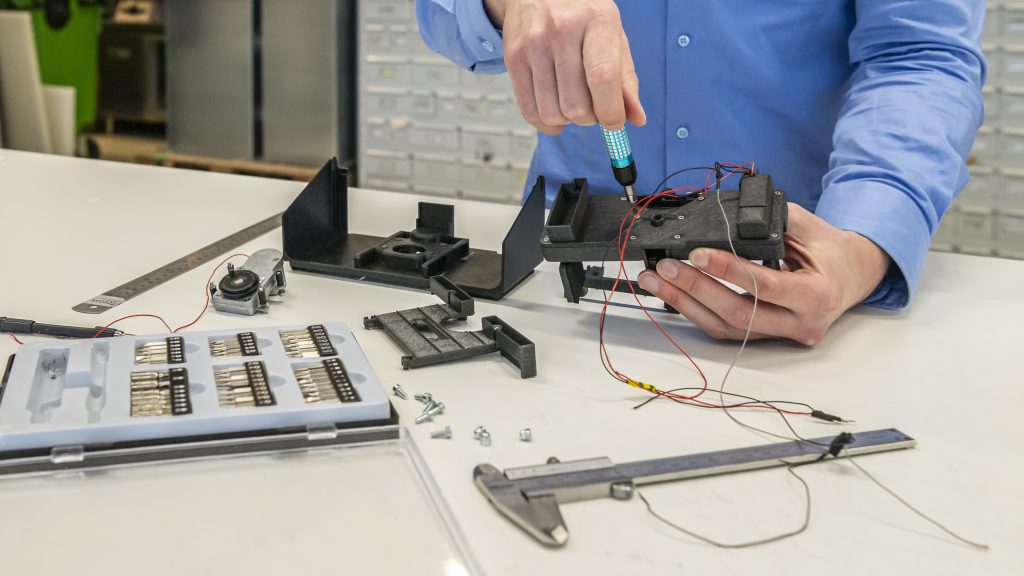
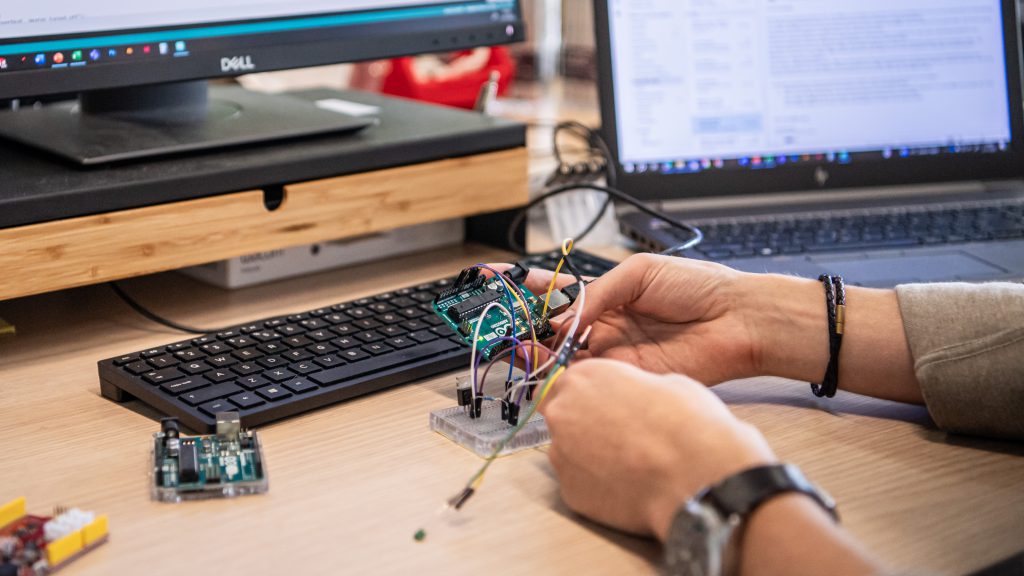
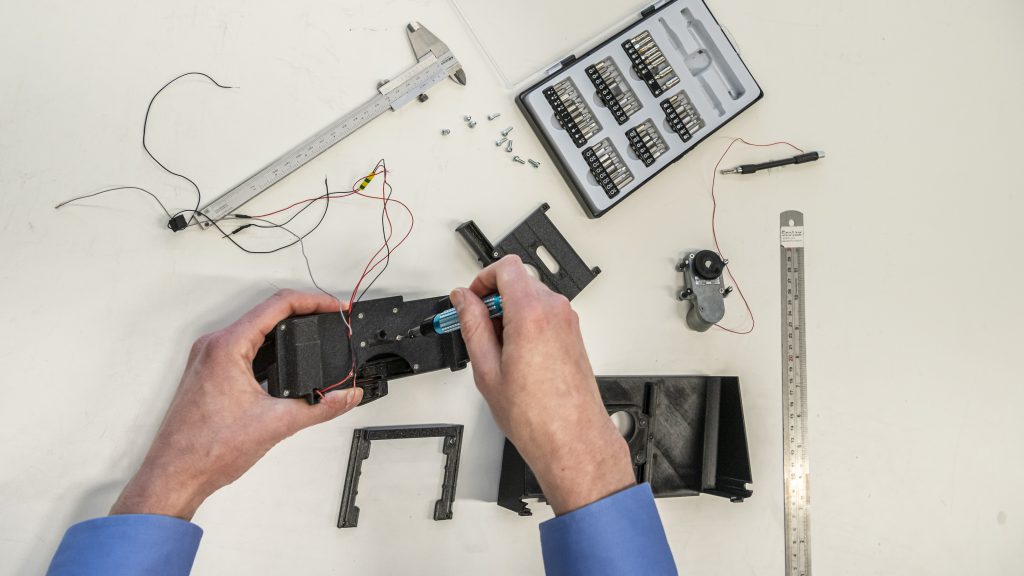
We prove the essential working principles of the concept through rapid prototyping. The aim is to verify that the solution works not only in theory, but also in practice.
— Determining assumptions to be verified
— Rapid prototyping
— Setting up tests
— Testing in our workshop
— Evaluating test results
— Proof of operating principle
Proof of concept
We prove the essential working principles of the concept through rapid prototyping. The aim is to verify that the solution works not only in theory, but also in practice.
— Determining assumptions to be verified
— Prototyping with off-the-shelf parts
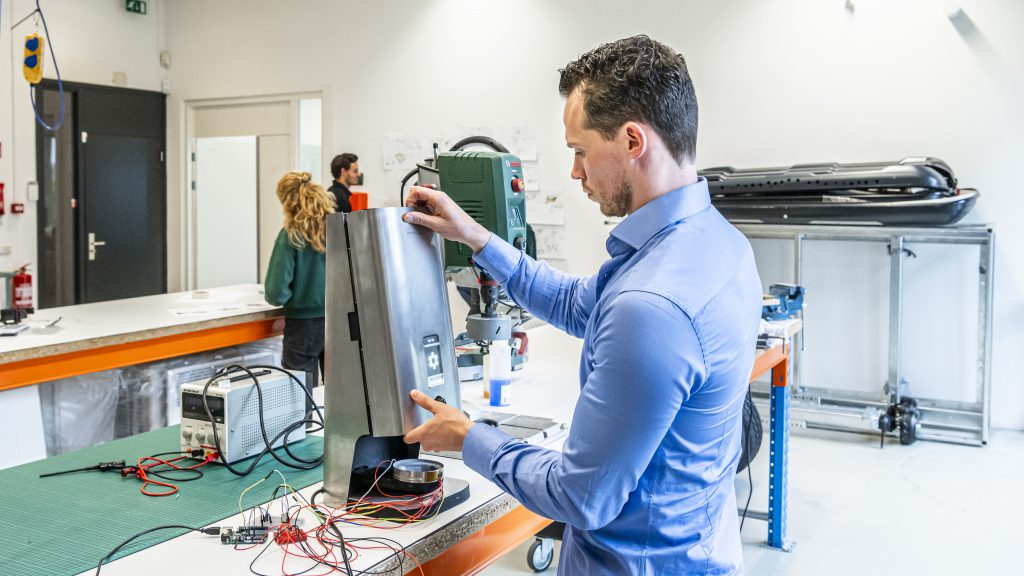
— Designing and building test rigs
— Testing in our workshop or on location
— Interpreting and evaluating test results
— Concluding whether operating principle is successful
Function prototype
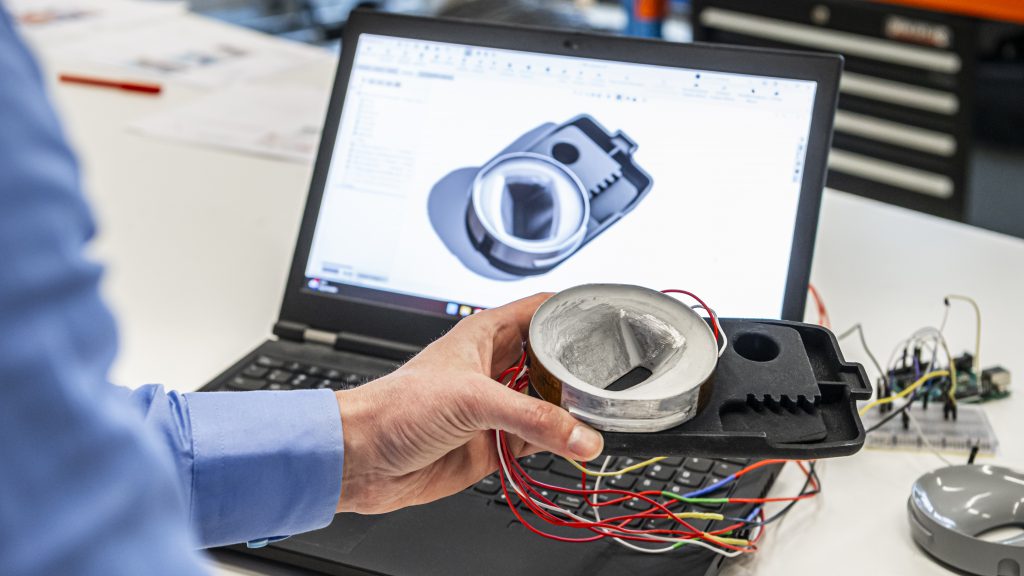
With the function prototype, all previously proven features are being combined in one model. We will then extensively test and evaluate this prototype.
— Prototyping & testing
— Stakeholder feedback sessions
— Researching production methods
— Material research
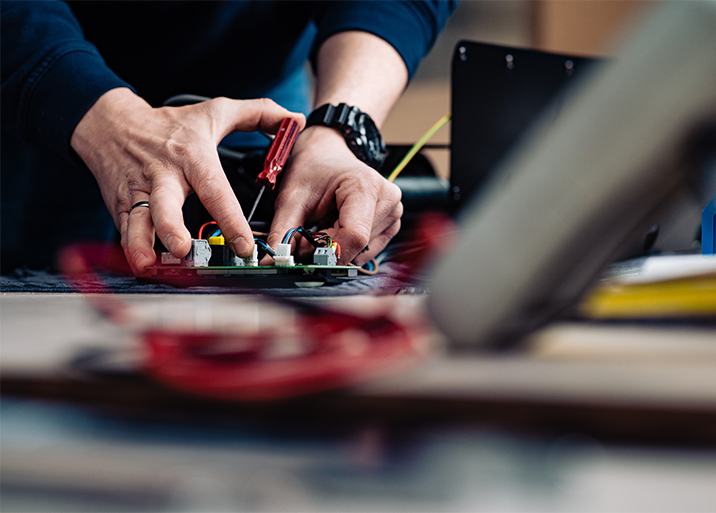
— Electrical engineering
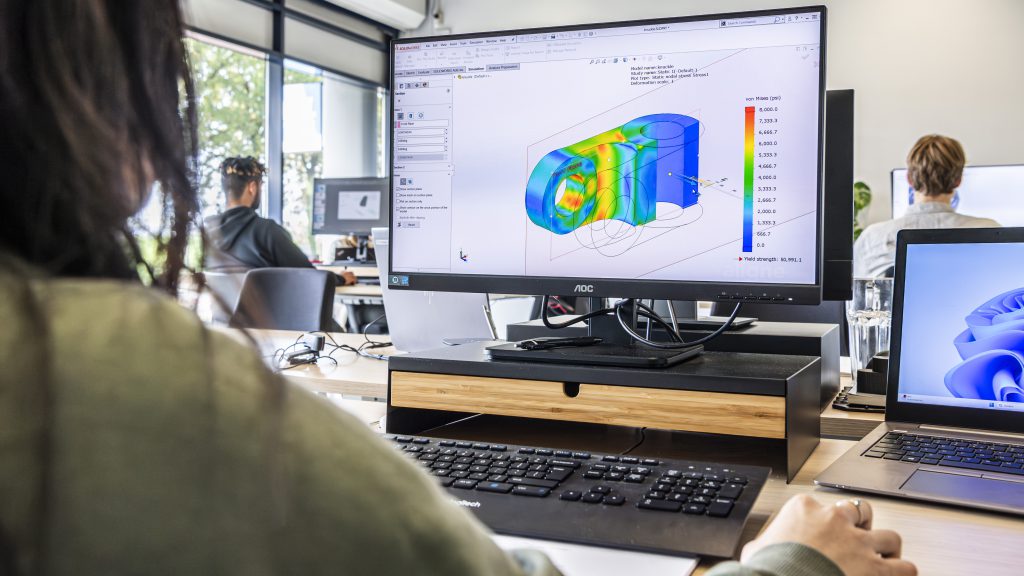
— Strength-analysis
— Patent research
— User tests
— FMEA analysis
Product prototype
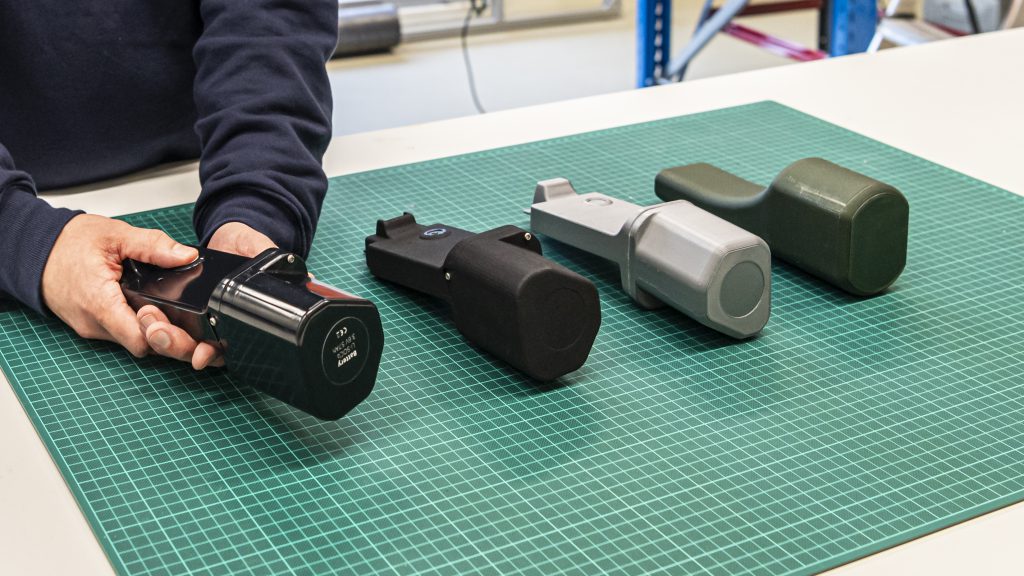
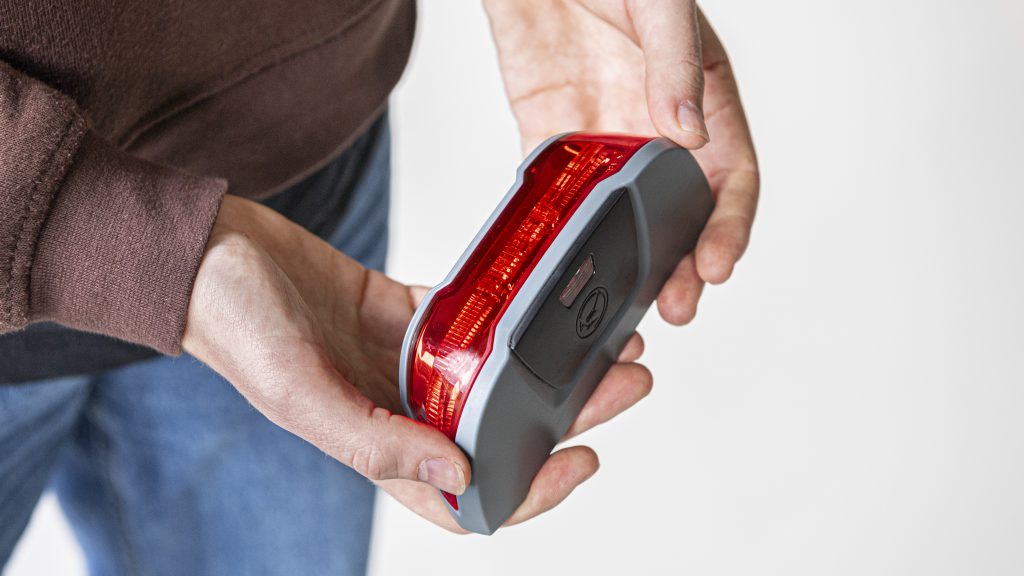
The product prototype goes one step further in terms of detail. Not only do all the functions come together, but the prototype is now also correct in terms of geometry and dimensions. In this way we can evaluates how appearance and function come together.
— Prototyping and testing
Interface design (UX)
— Stakeholder feedback sessions
— Strength and longevity testing
— Finding production partners
— Sourcing parts
— Rough design of supply chain
— Testing and evaluating ergonomics
— Field testing
Production prototype
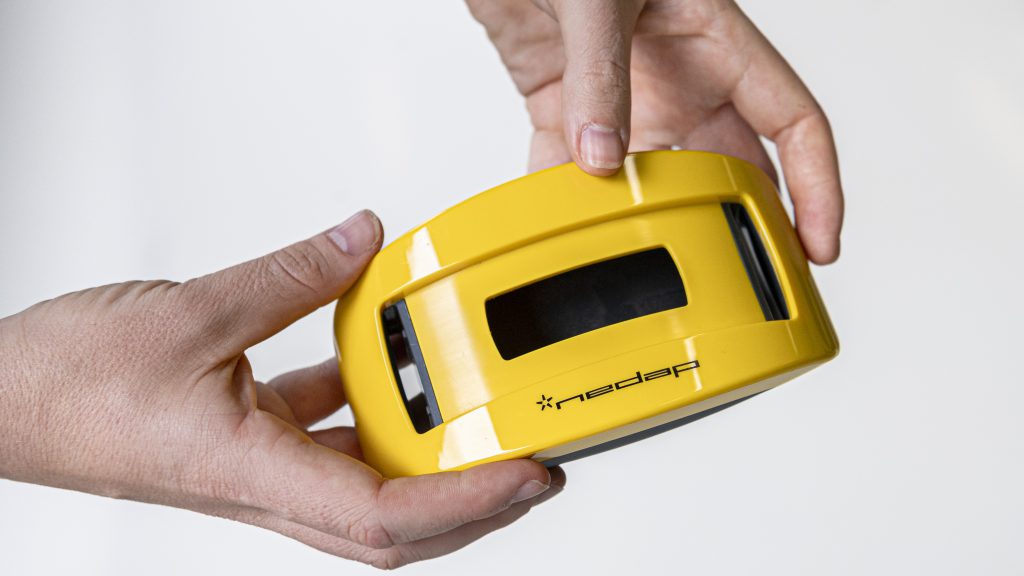
The production prototype is the last step before actual production. The prototype corresponds 1:1 to how it will be produced. As soon as the production prototype has been approved, production can be prepared.
— Prototyping and testing
— Finetuning details
— Stakeholder feedback sessions
— Setting up production
— Technical documentation
— Detailed cost calculation
Production management
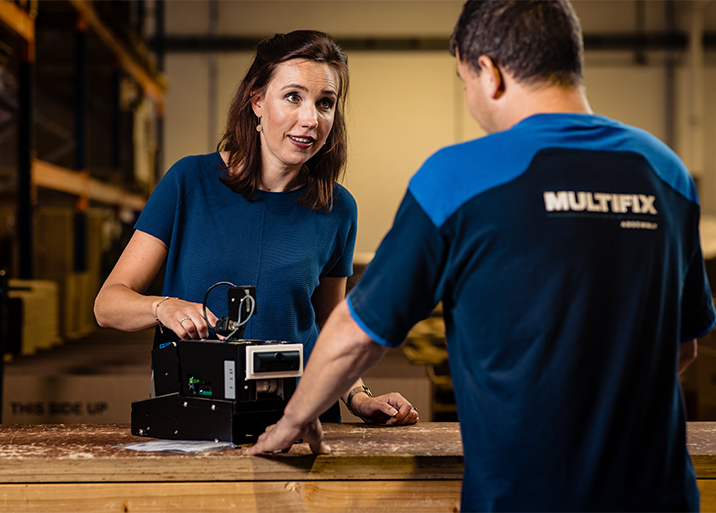
If desired, WeLLDesign can manage the entire production process. We make use of our extensive network of manufacturers in the Netherlands, Europe, and Asia, and if desired, our assembly partner. Multifix in the Netherlands.
— Sourcing of standard parts
— Setting up production
— Setting up the assembly
— Supply chain fine-tuning
— Monitoring of the null series
— Production monitoring
A clear project plan
Before we get started, we make sure that it is clearly agreed what activities we will carry out and what deliverables come with them. We normally do this by means of a project plan. This contains the budget, the details of the assignment, agreements on who is responsible for what and a schedule. After each phase, there will be a point at which the course can be adjusted: sometimes, progressive insight causes us to adjust the strategy somewhat. We follow the client's wishes but will always make recommendations based on our expertise. In this way, we ensure together that the investment is spent as effectively as possible.
Speak with an expert?
Leave your details and we’ll schedule a free 45-minute session with you.